It is the middle of “Baby Season” in Vancouver and the Lower Mainland, and nesting animals are seeking safe, warm places to raise their young. This behaviour is driven by biological instincts.
This seasonal urgency changes how wildlife infestations should be handled. Standard trapping methods are outdated and can be harmful to the animals, and are legally problematic. Safe and humane wildlife control is needed during this season to ensure the animals are not harmed.
The Biology of Choice: Why Your Attic is an “Incubator”
Urban animals adapt to their environments, and human homes are the perfect nesting locations:
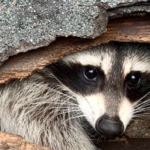
- Raccoons: Attics are similar to hollow trees or underground dens, offering warmth. The attic is a temperature-controlled den, perfect for raising kits. This is why raccoon removal in Vancouver is often required in spring.
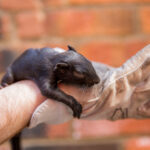
- Squirrels: Roof vents and soffits offer elevated nesting spots. These locations protect pups from predators and harsh weather, and squirrel removal BC services are often needed in spring.
- Skunks: Skunks find dry soil underneath decks and porches. These areas are perfect for kittens, leading to frequent calls for skunk removal during Baby Season.
The “Hidden Litter” Problem & DIY Risks
By the time homeowners hear scratching and scuttling noises, babies are often already hidden in the home. It’s often difficult to access litters without the proper tools used by professional wildlife removal services.
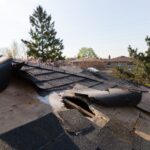
A homeowner who unknowingly blocks a mother from her young may cause her to tear through shingles, vents and fascia boards to regain access to the nest.
DIY approaches during the spring wildlife nesting season can also result in biohazards when orphaned animals are left to die inside walls.
Advanced Humane Technology: The Professional Toolkit
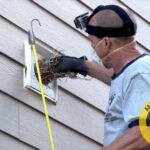
Professional wildlife removal Vancouver services use non-invasive, humane techniques:
- Thermal imaging: Technicians use heat-sensing cameras to detect nests behind walls and insulation. It allows for the accurate location of babies without damage to the home.
- Reunion Box: This is the gold standard of humane wildlife control. Babies are placed in a secure, weather-proof exterior box. The mother retrieves and relocates them to a new den.
- One-way doors: The doors are installed at entry points and allow animals to exit while preventing re-entry.
FAQs
Can a mother raccoon really chew through my roof to get to her kits?
Yes, a determined mother will tear through roofing materials when separated from her young.
Why is relocation restricted to one kilometre under the BC Wildlife Act?
Short-distance relocation ensures animals remain within their natural territory. It improves survival and reduces ecological disruption.
How do you find babies that are hidden behind drywall or deep in insulation?
AAA Wildlife Control uses advanced thermal imaging cameras to detect heat patterns from the litter. It allows precise identification of nest locations while avoiding unnecessary damage.
What is a “Reunion Box” and why is it better than a cage?
A reunion box is a temporary nesting space placed outside the home. It allows the mother to retrieve her babies, preventing separation and ensuring a natural relocation process to a new den.
Will the babies eventually leave on their own in the summer?
Waiting for the babies to become mobile can lead to problems, like waste buildup and potential fire hazards from chewed wiring.
Contact Wildlife Removal Vancouver Experts Today
“Baby Season” requires a balance between biological understanding and removal expertise. Attempting animal removal without professional guidance can harm you, your home, and local wildlife.
Protect your property and ensure ethical, humane, and legal removal by calling AAA Wildlife Control at 604-685-6888 or enquiring online.