Temperatures are starting to rise across Vancouver and the Lower Mainland, and homeowners are starting to notice scratching, thumping and chirping noises around the house. Spring is the season of renewal, which means wildlife begins nesting, often indoors or under homes.
What may seem like a nuisance to you is often a mother looking for a safe place to raise her young. That is why wildlife removal Vancouver services adopt a specialized approach this time of year.
Why Spring is Different: The Nesting Surge
April to June marks the peak spring wildlife nesting period. During these months, animals search for sheltered spaces to give birth and raise their babies. Common nesting areas for different animals include:
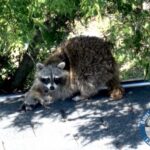
- Raccoons: Chimneys and attics are ideal for raising kits in warmth and safety.
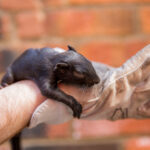
- Squirrels: Soffits and roof vents offer height and protection for pups.
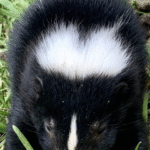
- Skunks: Under decks and porches, where dry soil creates a safe den for kittens.
Because of this seasonal behaviour, raccoon removal in Vancouver, as well as skunk removal and squirrel removal across BC, must focus on both the mother and her offspring.
The Risk of Inexperienced Removal
Spring removals can pose a risk to animals if not done correctly.
Removing a mother without locating her offspring often leads to orphaned animals left behind in the home. For homeowners, this means:
- Strong odours from animal waste.
- Increased biohazards.
- Distressed animals causing further damage.
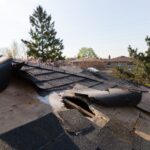
A separated mother may go to extremes to locate her young. Raccoons, in particular, may tear through shingles or siding to get back inside, worsening structural damage.
The AAA Wildlife Spring Process
AAA Wildlife Control uses humane animal removal designed for spring conditions:
- Thermal imaging technology: Specialized tools detect hidden nests behind walls or insulation without unnecessary disruption.
- One-way doors: Adult animals exit the home, preventing re-entry without causing unnecessary stress.
- The Reunion Strategy: A key part of humane wildlife control. This method involves placing babies in a “reunion box” outside. The mother retrieves them and relocates to a new den.
This humane approach protects your home and the animals.
FAQs
Why is the scratching louder at night?
Most wildlife, like raccoons, is nocturnal. Night-time activity increases as mothers forage and return to feed their young.
Is it safe to wait until baby animals grow up before removal?
Delaying animal removal can lead to severe issues, including structural damage, chewed electrical wiring, and health concerns due to animal waste.
Can I legally relocate wildlife to a park in British Columbia?
No, under the BC Wildlife Act, relocating wildlife beyond short distances is restricted and often illegal. All wildlife is owned by the Crown, and it is illegal for unauthorized individuals to trap, move, or release wild animals. Relocating wildlife is generally prohibited because it causes extreme stress, high mortality rates, spreads disease, and creates territorial conflict.
What to do if I find an injured baby animal on my property?
Avoid handling the animal and contact trained wildlife specialists or the BC SPCA to ensure proper removal and care.
Get Help With Spring Animal Removal In Vancouver
Spring wildlife activity requires a careful response. Effective wildlife removal Vancouver services must protect your home while respecting the natural behaviour of animals during nesting season.
Don’t risk costly damage or ethical mistakes with DIY animal removal. For safe and professional help, call AAA Wildlife Control at 604-685-6888 or contact us online to schedule a professional inspection.