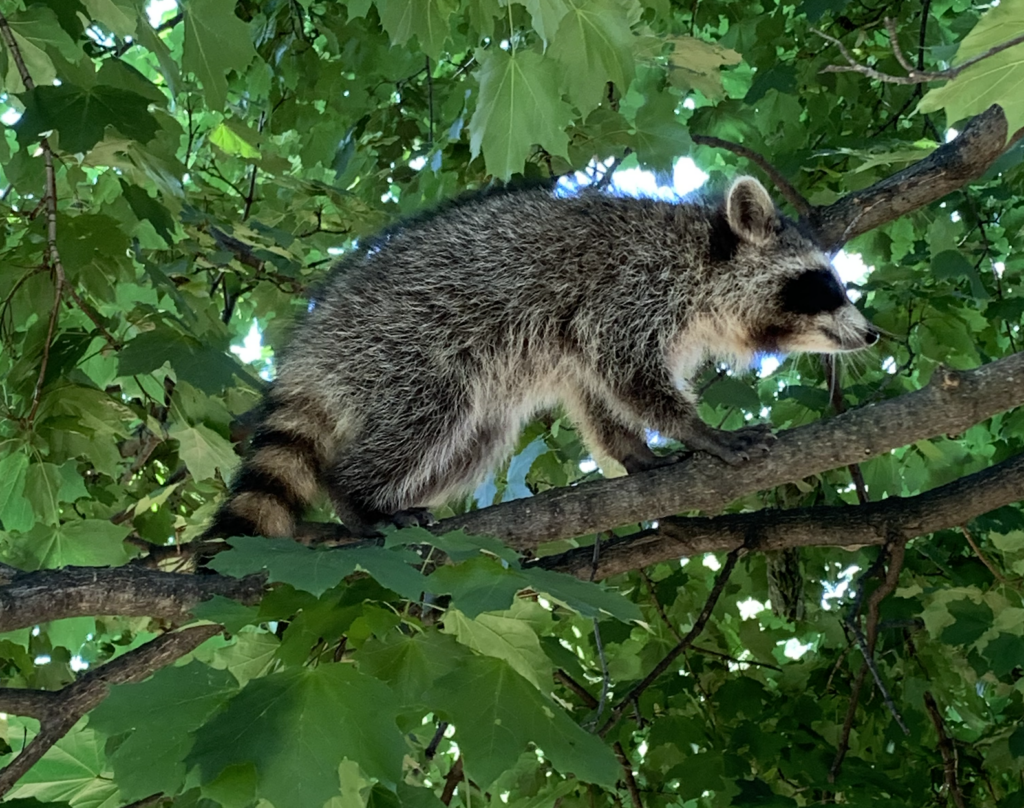
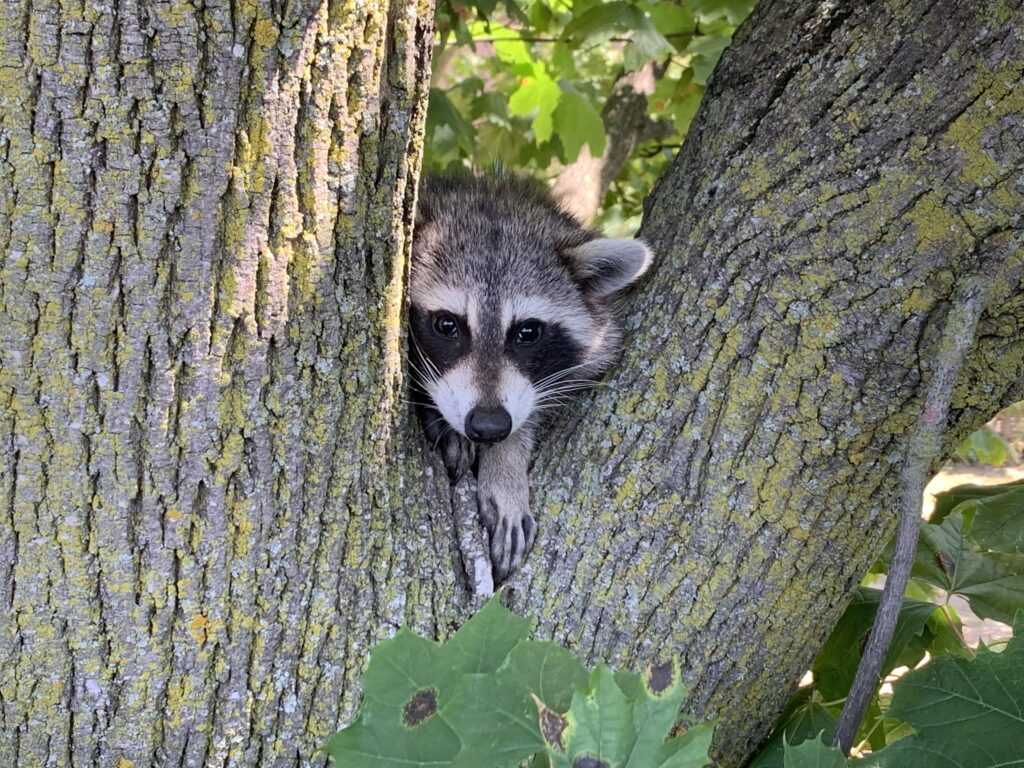
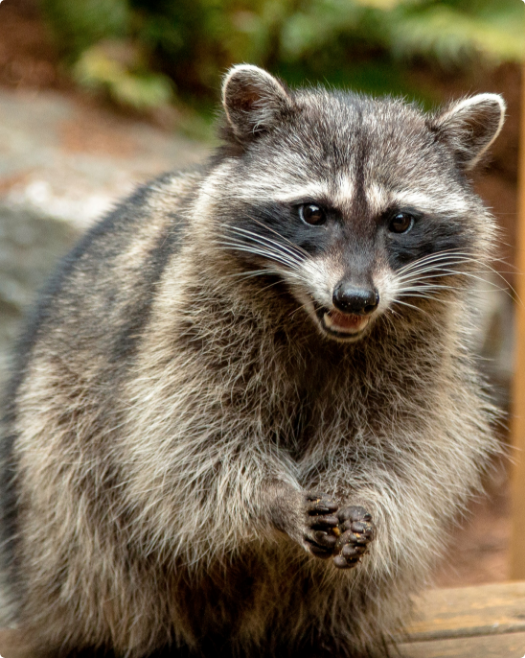
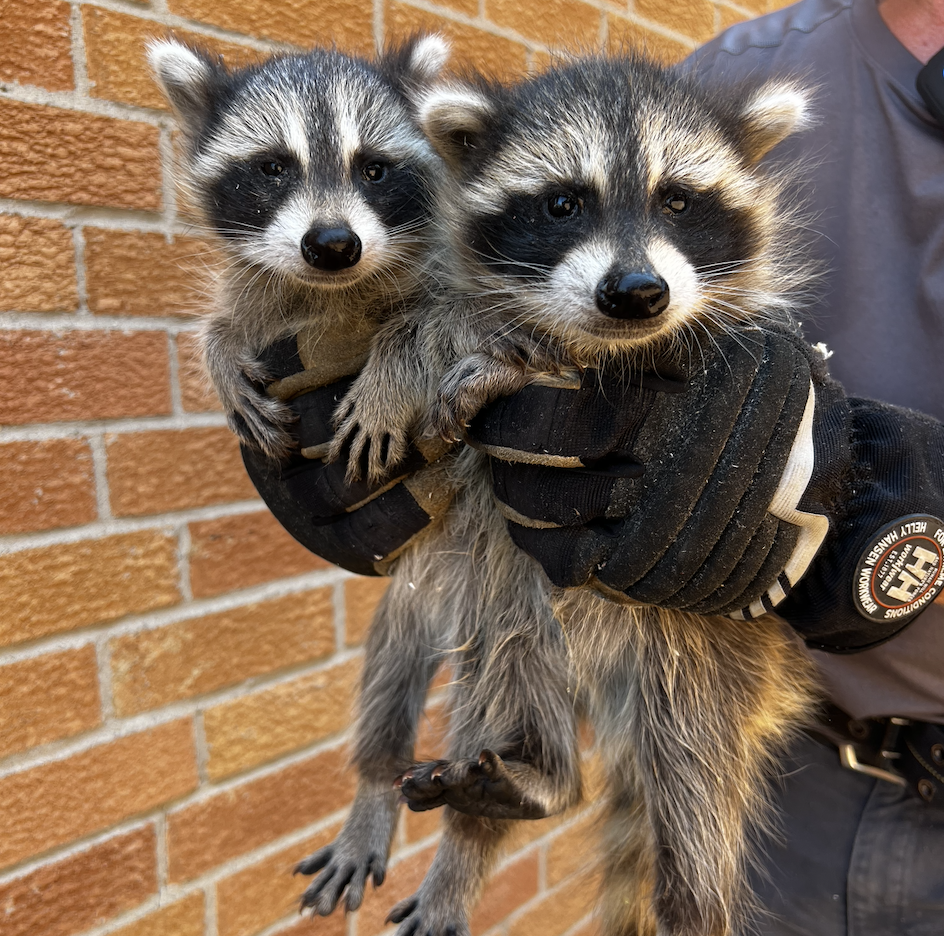
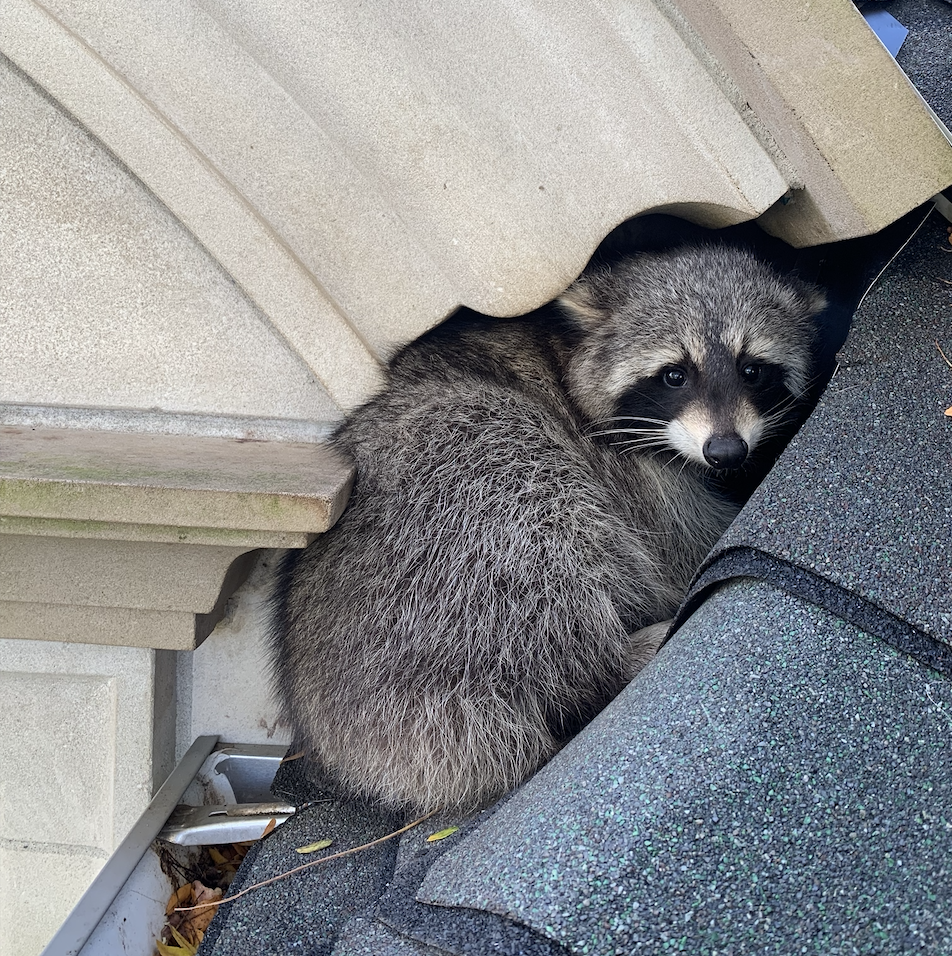
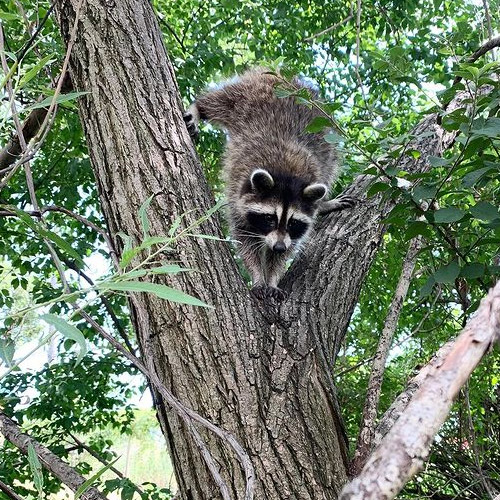
Raccoons, also known as “masked bandits,” are admired for their intelligence and resourcefulness. With nimble and dexterous paws, coupled with considerable strength, they possess the means to cause damage and wreak havoc on property as they adapt to urban settings. Here are some additional facts and insights about raccoons for homeowners in Vancouver:
Urban: Although the wild raccoon lives a largely solitary life, the attraction to urban areas can cause them to much more densely populate. A density of 10 – 25 raccoons per square kilometer has been observed. They will build their dens in chimneys, attics, roofs, crawl spaces, under decks and sheds.
Breeding
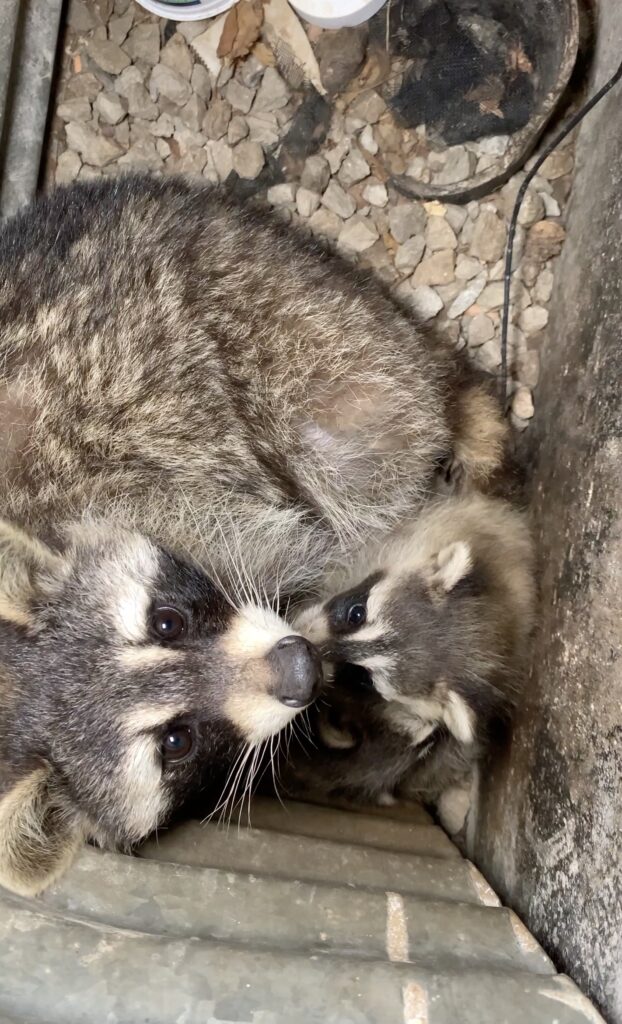
Once per year: Male raccoons will attempt to mate with multiple partners each season whereas the female will mate with only one male, avoiding all others afterwards. Mating occurs during the winter months but can continue until June. This prolonged mating season makes it essential for wildlife technicians to detect if there are any babies present during the initial assessment. Offspring are born about 9 weeks after mating. It is not uncommon for mothers to make a last minute den to give birth in which is why urban structures are so attractive.
Litter size: The gestation period is around 63 days. Female raccoons produce litters between 1 and 7 offspring (typically 3 or 4).
Rearing: Newborn raccoons are blind and deaf for their first three weeks but grow quickly. They are cared for exclusively by the female who teaches them how to forage for food and shelter. One of the main threats to young raccoons is predators such as the coyote. Young raccoons will typically stay with their mother through the first winter after which they gradually leave..
Sexual maturity: Female raccoons can begin to breed at one year of age whereas males tend to begin later at the age of two.
Frequency: Raccoons feeds every day but must forage to locate their food.
Time of day: Raccoons are nocturnal so are most active at night.
Diet: They are omnivores which means they will eat both plants and animals as a primary food source. They prefer veggies, fruits, insects, slugs, snails, fish, frogs, turtles, small animals, eggs and are especially attracted to anything that is left behind in the garbage. They enjoy washing their food prior to eating which is where their latin name comes from – lotor means “one who washes”. For further inquiries about raccoons or to satisfy your curiosity with more facts, the “Raccoon FAQ” section is available for additional information.
For those who may be tempted to take on the task of removing animals and animal proofing themselves, it is important to remember that it can be a dangerous undertaking. Falling off ladders and roofs while attempting to remove animals or seal entry points can result in serious bodily harm. In some cases, even aggressive animals can pose a danger to those trying to remove them. It is best to leave these tasks to experienced professionals who have the knowledge and equipment to safely and effectively handle wildlife removal and animal proofing. Attempting to do it yourself can put you at risk of injury and potentially even more damage to your home.
Don't let raccoons take over your attic, chimney, deck, or shed. Contact AAA Wildlife Control today for a free consultation and quote, and keep these wild animals out of your home for good.