Homeowners in Canada are often asking themselves, what is it that is causing wildlife to move into our urban communities and set up shop in our homes? The more that urban development expands into the natural habitats of wild animals, the more those wild animals are forced to move into our own urban settings for survival.
What AAA Wildlife has also noticed, is that not only are the number of animals and incidences increasing, but the species are also changing. Particular types of animals which were not seen before are now showing up in urban areas. For homeowners that are struggling to deal with this challenge, AAA Wildlife is working hard to keep up with this growing problem, learning to deal with a variety of species that may be causing problems for home owners.
By far, the majority of the public believes that trapping and relocating wildlife is a good solution to a problem they are having with "nuisance wildlife".
The public thinks that if the offending animal is trapped and relocated and the number of animals in the neighbourhood is ultimately reduced, then the problem will go away. This couldn't be further from the truth.
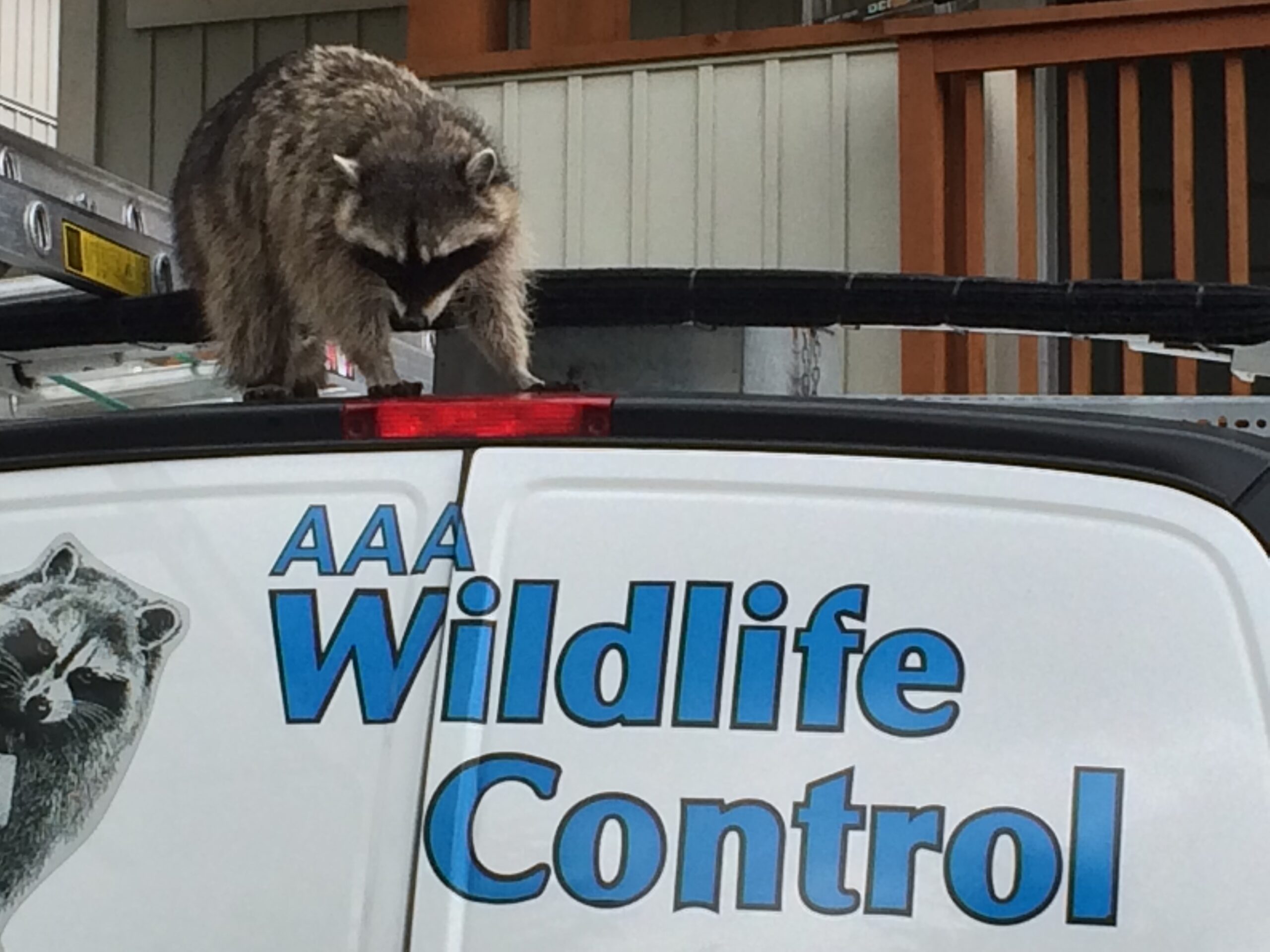
The raccoon population in Vancouver and surrounding communities is healthier than ever. This poses an ever greater threat to home owners throughout Greater Vancouver.
Writer Pete McMartin contacted AAA Wildlife’s Randy Celinski who, in this article published in the Vancouver Sun, answers some interesting questions about raccoons and helps provide some insight into how we relate to them.
Through a variety of stories and misadventures, the article explains how dealing with our urban wildlife friends isn’t always so simple. It is often baffling what they are capable of and what they can learn. And, despite the mess and damage they can leave behind, our sympathy and nurturing qualities can often make it difficult for us to do what is best, both for the animal and ourselves.
If you have a raccoon problem around your building or home, please contact us today and have them removed safely and humanely.
There used to be a time when a raccoon in your attic used to be your biggest pest or wildlife control problem. But now in today’s society, its not a question of just getting rid of the unwanted wildlife in your Lower Mainland home, but rather HOW you intend to get it out and HOW the wildlife is treated both during and after the process of it being removed. The times are a changing, and wildlife and pest control agencies are being forced to change with it.
Many homeowners across Vancouver and the Lower Mainland would love to see their wildlife intruders dealt with in a humane and compassionate way. However, only compassionate wildlife control agencies with sufficient staff and resources will be able to safeguard the lives of animals and meet customer expectations. In an industry that is relatively unregulated and free of licensing and formal training, finding a Wildlife Control agency that can meet everyone’s needs could be a tough, and nearly impossible task.
Buyers beware when calling your Lower Mainland wildlife control. The quality of work from pest control companies is coming into question more and more as the industry remains for the most part unregulated. No license is required for wildlife control agents. No training or qualification is necessary as long as companies follow BCSPCA guidelines and do not kill the animals
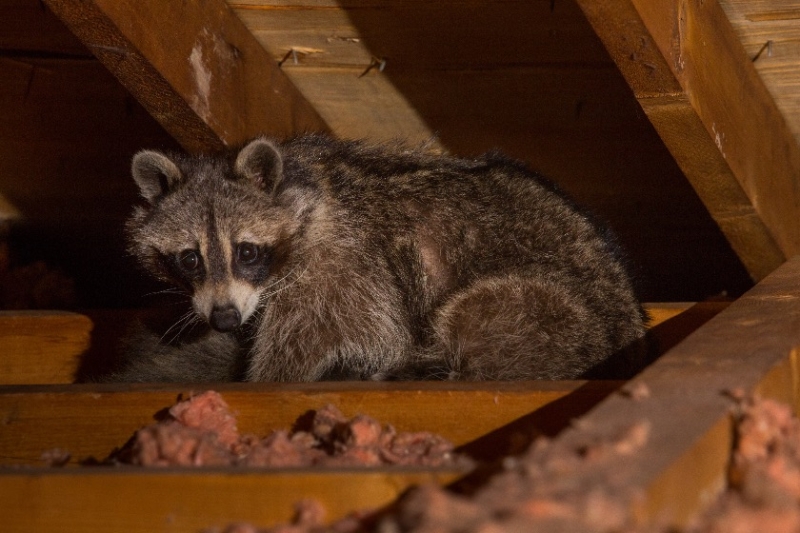
The issue was brought to the forefront when a lady in Ontario called her local wildlife control to check for a raccoon she believed was in her attic. The pest control agency came and left, but the thumping from the attic persisted. Once a foul smell began to plague her home, she called the agency again but once again they deemed there to be no wildlife or pests in her attic. This pattern held true on 5 separate occasions when the wildlife control agency came to her house and claimed no raccoon was in the attic. Finally, when she came back from a vacation and the smell in her house had become accompanied by flies, she knew that there was indeed a raccoon in her attic and it was now dead. She called a different wildlife control agency, and sure enough they found the dead raccoon in her attic. The wildlife control agent said without doubt that the raccoon had been dead for at least 2 months before he found it.